Frisbee Real Estate Blog: Expert Tips & Local Insights


Sept. 10, 2026

August 2026 Western NC Housing Market Update: Asheville, Hendersonville, Buncombe County & Henderson County

August 2026 Western North Carolina Housing Market Update

Asheville, Hendersonville, Buncombe County, and Henderson County Real Estate Trends

The August 2026 housing market in Western North Carolina gave us a mixed bag, which is honestly a pretty good description of the market right now.

Some areas are still seeing strong buyer activity. Some areas saw fewer new listings and fewer closed sales compared to last August. Prices are not moving in one straight line across the region, and that is exactly why local data matters.

If you are buying or selling in Asheville, Hendersonville, Buncombe County, or Henderson County, the latest Canopy MLS numbers show a market that is still active, but more selective. Buyers are paying attention. Sellers still have opportunity, but pricing and presentation matter more than they did a couple of years ago.

Let’s break it down.

Quick Look at August 2026 Housing Market Data

Area Median Sales Price Closed Sales New Listings Pending Sales Days on Market Months Supply
Buncombe County $501,000 317 462 344 63 6.0
City of Asheville $492,500 166 233 189 65 5.9
Henderson County $450,000 144 214 162 57 5.0
City of Hendersonville $429,000 92 127 101 56 5.0

Buncombe County Real Estate Market: Buyers Are Still Showing Up

Buncombe County had one of the stronger August reports in the region.

The median sales price rose to $501,000, up 2.1% from August 2025. Closed sales increased 8.6%, and pending sales jumped 17.0%. That is a pretty healthy sign that buyers are still active in the Buncombe County real estate market.

New listings were down slightly, falling 3.8% compared to last August. Inventory was up 2.5%, but months supply dropped from 6.9 months to 6.0 months.

That is important. Even though there are more homes for sale than last year, buyer activity appears to be absorbing some of that inventory.

Days on market also improved a little, falling from 66 days last August to 63 days this August. That does not mean every home is flying off the shelf, but it does suggest that the right homes, priced correctly, are still getting attention.

For Buncombe County sellers, the takeaway is encouraging: buyers are still in the market. For buyers, there are options, but well-priced homes can still move.

Asheville Real Estate Market: More Contracts, Softer Prices

The City of Asheville continues to be one of the most watched housing markets in Western North Carolina.

In August 2026, Asheville’s median sales price was $492,500, down 5.1% from $518,995 in August 2025. Average sales price also declined 4.4%.

But here is where the story gets more interesting: closed sales were up 9.2%, and pending sales were up 13.9%. So while prices softened compared to last August, more homes went under contract and more homes closed.

New listings dropped 9.7%, which means fewer sellers came to market compared to last year. Inventory was nearly flat, up just 0.2%, while months supply fell from 7.1 months to 5.9 months.

In plain English, Asheville is not dead. Not even close. It is just more price-sensitive.

Buyers are still interested in Asheville homes, but they are not as willing to overpay. Sellers who price based on today’s market, not yesterday’s headlines, are in a much better position.

Henderson County Real Estate Market: Slower August, But Still Ahead Year-to-Date

Henderson County had a softer August compared to Buncombe County.

New listings were down 21.3%, pending sales were down 14.3%, and closed sales were down 15.3% compared to August 2025. The median sales price was $450,000, down 3.1% from last August.

At first glance, that may sound negative. But zooming out helps.

Year-to-date, Henderson County closed sales are still up 5.0% compared to the same period in 2025. Pending sales are also up 5.7% year-to-date. So August was slower, but the broader 2026 market is still ahead of last year in sales activity.

Inventory fell 8.8%, and months supply dropped from 6.0 months to 5.0 months. That tells us there are fewer homes sitting on the market compared to last year.

Days on market improved, too. Homes sold in an average of 57 days in August 2026, compared to 63 days in August 2025.

So what does that mean? Henderson County cooled in August, but it still has a tighter supply picture than Buncombe County and Asheville. Good homes are still selling, especially when they are priced right.

Hendersonville Real Estate Market: Fewer Listings, Fewer Sales, Faster Market Time

The City of Hendersonville also had a slower August compared to last year.

New listings were down 20.6%, pending sales were down 8.2%, and closed sales were down 14.8%. The median sales price was $429,000, down 8.2% from August 2025.

That sounds like a slowdown, and for the month of August, it was.

But again, the year-to-date numbers tell a fuller story. Through August, Hendersonville closed sales were up 6.6% compared to the same period last year, and pending sales were up 8.7%.

Inventory declined 7.5%, and months supply dropped from 6.0 months to 5.0 months. Days on market also improved, falling from 68 days last August to 56 days this August.

That is a strange mix, but it makes sense when you look closely. Hendersonville had fewer homes listed and fewer homes sold in August, but the homes that did sell moved faster than last year.

For sellers in Hendersonville, this means the market is not bad, but it is not automatic. Buyers are still active, but they are more careful. For buyers, lower inventory means the right home may not sit around forever.

Buncombe County vs. Henderson County: What Is the Difference Right Now?

Buncombe County had a stronger August on paper. Median price was up, closed sales were up, pending sales were up, and days on market improved.

Henderson County had a slower August, with fewer new listings, fewer pending sales, and fewer closed sales than last year. But Henderson County still has a tighter inventory picture, with 5.0 months of supply compared to Buncombe County’s 6.0 months.

The price difference also remains clear. Buncombe County’s median sales price was $501,000, while Henderson County’s was $450,000.

For buyers moving to Western North Carolina, that gap matters. Buncombe County and Asheville may offer the lifestyle, mountain-town energy, restaurants, music, and name recognition many people are looking for. Henderson County and Hendersonville may offer a slightly lower median price point, a strong quality of life, and a market that is still relatively tight on inventory.

Asheville vs. Hendersonville: Two Markets, Two Stories

Asheville and Hendersonville are close geographically, but the August data shows two different market stories.

Asheville had stronger buyer activity in August. Pending sales were up 13.9%, and closed sales were up 9.2%. Hendersonville saw pending sales fall 8.2% and closed sales fall 14.8%.

On price, Asheville’s median sales price was $492,500, while Hendersonville’s was $429,000.

Inventory was similar in terms of months supply, with Asheville at 5.9 months and Hendersonville at 5.0 months. But Hendersonville homes sold a little faster, averaging 56 days on market compared to Asheville’s 65 days.

So here is the simple version: Asheville had more sales momentum in August, while Hendersonville had a lower median price and a slightly faster pace for homes that sold.

What This Means for Sellers

If you are thinking about selling a home in Western North Carolina, this market still gives you a real opportunity. But it also asks you to be honest.

Buyers are watching price. They are comparing homes. They are noticing condition. They are thinking about interest rates, insurance, repairs, and overall affordability.

In Buncombe County and Asheville, activity is strong, but that does not mean sellers can ignore pricing. In Henderson County and Hendersonville, inventory is tighter, but August showed that buyer activity can shift quickly.

The best thing sellers can do right now is come to market prepared. That means smart pricing, good photos, clean presentation, clear marketing, and a realistic plan if the market does not respond right away.

What This Means for Buyers

Buyers have more breathing room than they had during the most frantic years of the market.

You may have more time to think. You may have more room to negotiate. You may see price reductions on homes that started too high.

But this is not a market where every seller is desperate. The best homes still get attention, especially when they are priced well and located in desirable areas.

If you are buying in Asheville, Hendersonville, Buncombe County, or Henderson County, the key is knowing the difference between a home that is overpriced and a home that is fairly priced in a competitive pocket of the market.

Bottom Line: The Western NC Housing Market Is Active, But More Selective

The August 2026 housing market in Western North Carolina is not crashing. It is not booming across the board either.

It is active, local, and more balanced.

Buncombe County and Asheville showed stronger buyer activity in August, while Henderson County and Hendersonville had slower monthly sales but still show positive year-to-date momentum. Inventory is not as tight as it was a few years ago, but it is not unlimited either.

For sellers, strategy matters. For buyers, preparation matters. And for both, local guidance matters more than a national headline.

If you are thinking about buying or selling in Asheville, Hendersonville, Buncombe County, or Henderson County, Frisbee Real Estate would be glad to help you understand what these numbers mean for your specific home, neighborhood, and goals.

At the end of the day, real estate is local. And in Western North Carolina, the story can change from one town, neighborhood, or price range to the next.
Aug. 26, 2026

Is Living in a Downtown Hendersonville, NC Condo Worth It


Is Living in a Downtown Hendersonville, NC Condo Worth It? A Buyer Guide

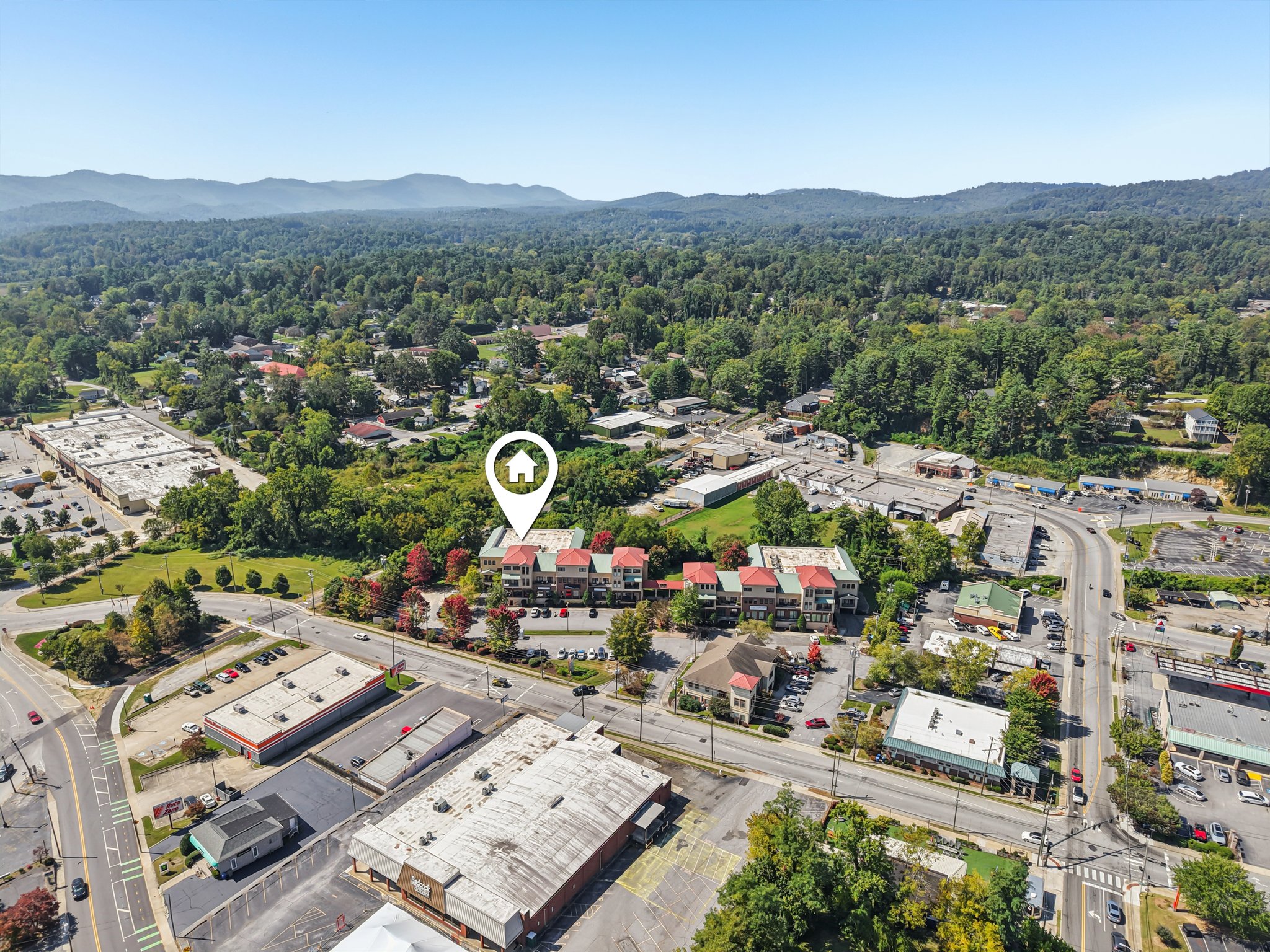
Thinking about a downtown Hendersonville, NC condo? It could be a great fit if you love walkable living, being close to Main Street, and not having to deal with yard work or constant upkeep.

Of course, it’s not for everyone. If you crave privacy, space, or a big backyard, a condo downtown might feel a bit cramped or busy.

Hendersonville, North Carolina is called the City of Four Seasons, and downtown really leans into that vibe. There’s a mix of old-school architecture, local shops, and events that change with the calendar.

Living here means choosing between that energetic, town-center lifestyle or quieter neighborhoods just outside the core. Downtown puts you near restaurants, markets, and galleries.

But you’ll also run into different costs, rules, and resale quirks than you would with a single-family home.

If you’re actually considering a downtown condo, you need more than a sense of charm. You’ll want to look at the numbers, the HOA details, resale trends, and whether walkable living will really work for you.

What Daily Life Near Main Street Looks Like

Your daily routine here? It’s less about driving and more about walking. Dining, shopping, and entertainment are all just a few minutes away on foot.

The area blends historic character with a bustling local scene. One morning you’re grabbing coffee, that evening you’re catching live music or a gallery opening.

Walkability, Coffee Shops, Restaurants, and Boutiques

Historic Downtown Hendersonville covers about 16 blocks, all centered on Main Street. You can walk from end to end in under 20 minutes.

Sidewalks are everywhere, blocks are short, and crosswalks are frequent—so you can skip the car for most errands.

There are independent coffee shops scattered nearby, plus a good variety of restaurants. Main Street is lined with boutiques, shops selling home goods, clothing, and crafts from local makers.

Free outdoor Wi-Fi is available throughout downtown. Handy if you like working from a bench or a patio table.

Parking can be a bit of a hassle—Main Street is metered, and public lots are usually a block or two off the main drag.

Arts, Breweries, Live Music, and Evening Entertainment

Main Street and its side streets have a cluster of art galleries. You’ll see work from regional painters, potters, and sculptors—sometimes all in one evening.

Breweries downtown double as live music venues, hosting acoustic sets or local bands, especially on weekends. There’s a historic theater nearby too, showing films and hosting live performances year-round.

Nightlife is pretty chill here. You’re more likely to end up on a brewery patio or at a small music venue than a loud club. Honestly, that fits the small-town feel.

Markets, Festivals, and Seasonal Street Activity

The Hendersonville Farmers Market pops up seasonally, bringing local produce, baked goods, and crafts within easy walking distance. Garden Jubilee in spring transforms Main Street into a massive plant and garden fair.

Big events mean street closures and crowds. The North Carolina Apple Festival, for example, takes over Labor Day weekend with food, music, and apple-themed everything right on Main Street.

Other recurring events include:

  • Bearfootin' Art Walk – a self-guided stroll to see painted bear sculptures around downtown
  • Rhythm & Brews – summer concerts outdoors
  • Holiday parades – Main Street shuts down for seasonal processions

The Seventh Avenue District and the old train depot host some events too, so you’re not limited to just Main Street. If you like planning, Visit Hendersonville shares an annual event calendar.

Condo Options, Ownership Costs, and Trade-Offs

Downtown condos come in all shapes and sizes, from small lofts to roomy three-bedroom apartments. Each building has its own quirks—think fees, parking, or even how much noise you’ll hear on weekends.

Some places are historic redevelopments, which means cool old details but sometimes extra rules or costs.

Condos, Lofts, and Mixed-Use Residences

Near Main Street, you’ll see everything from lofts above shops to condos in dedicated residential buildings. One-bedroom units are great for singles, but there are bigger three-bedroom options if you want space for guests.

Mixed-use projects have added more options lately. Old commercial buildings get converted into homes, and you might have a coffee shop or restaurant right downstairs.

If you’re used to standalone homes—bungalows, cottages, whatever—these downtown units swap out yard space for less maintenance and much easier access to daily errands.

HOA Fees, Maintenance, Parking, and Noise Considerations

HOA fees can be all over the map. Make sure you know exactly what’s covered before you buy:

  • Outside building maintenance and roof repairs
  • Master insurance
  • Trash and landscaping
  • Reserve funds for big repairs

Parking is a biggie. Some buildings offer assigned or garage spots, others just rely on street or public lots. Guest parking during festivals? Ask about it—don’t assume it’s easy.

Units facing the street tend to be noisier, especially during events. If you need quiet, look for upper floors or interior-facing units.

Luxury Residences and Historic Redevelopment

Some higher-end options are tied to historic restorations. Developers keep the old facades and details but update everything inside. These spots often come with design rules about what you can change outside.

People sometimes compare downtown Hendersonville to places like Asheville, with its branded towers and luxury amenities. Here, the scale is smaller—think select penthouses or condos in redeveloped buildings, not big hotel towers with a spa and concierge.

Locals and agents like Gregg Covin, Amy Shipman, the Shipman family, J.W. Bailey, and Jeannie Bailey have all played a role in shaping the market. If you’re eyeing a historic building, check if there are renovation incentives or restrictions before you make an offer.

Transportation, Green Space, and Essential Services

Living in a downtown condo puts you close to parking, greenways, and regional healthcare. But how convenient it is really depends on how you get around and what you need day to day.

Downtown Parking, Driving, and Public Transit

Parking downtown just isn’t like the suburbs. Most condo buildings have spots for residents, but guests usually depend on street parking or the Main Street deck. During big events, those fill up fast.

Public transit? It’s here, but limited. Apple Country Transit runs local routes, but don’t expect Asheville-level frequency.

For out-of-town trips, I-26 gets you to Asheville in about half an hour, give or take. If you drive a lot, you’ll probably want a condo with its own parking space.

Trails, Parks, and Mountain Recreation

One perk of downtown living: green spaces are close by, and you don’t need a car to get to them. The Oklawaha Greenway is a paved path for walking or biking, linking you to natural spots around town.

Parks nearby include:

  • Patton Park – fields and picnic spots
  • Edwards Park – trails and open lawns
  • HonorAir Park – quieter, with memorials

If you’re up for a short drive, Jump Off Rock in Laurel Park has killer mountain views. The Ecusta Trail is growing as a multi-use path for cyclists and walkers. Jackson Park isn’t far either—lots of sports fields and wooded trails.

And for weekends, you’re close to the Blue Ridge Mountains and WNC lakes, so hiking and water activities are all within reach.

Healthcare, Schools, and Regional Access

Healthcare’s pretty straightforward here. Henderson County’s hospitals and clinics are a short drive away, and Asheville’s bigger hospital systems are accessible for more specialized care.

Got kids? Henderson County Public Schools serve the area, with Hendersonville High School as the go-to for downtown. If you’re a retiree or single professional, schools may not matter, but it’s worth double-checking boundaries if you’ve got a family.

For everything else—groceries, pharmacies, errands—you’re centrally located. Depending on your building, you might walk or do a quick drive, but it’s all pretty manageable.

Who Should Choose Downtown Condo Living

Downtown Hendersonville condos aren’t a universal fit. It really depends on your daily habits, work, and long-term plans. How much do you value walkability versus space? What’s your vision for the property?

Best Fits for Retirees, Downsizers, and Second-Home Buyers

Retirees and downsizers, you might love it here. No more yard work or exterior maintenance, just a low-hassle unit steps from Main Street’s shops, restaurants, and events.

Second-home buyers can just lock up and go—no worrying about a vacant house or overgrown lawn.

If mobility or convenience is a big deal, being close to groceries, medical offices, and social activities can easily outweigh the draw of a bigger place on the outskirts.

Considerations for Remote Workers, Families, and Relocators

Remote workers can do well downtown, but check out the unit’s layout and noise before you commit. Some buildings are right next to event spaces, so weekend music and foot traffic might drift inside.

Families with kids may find condos less practical. There’s usually less square footage, and private outdoor space is hard to come by compared to single-family homes nearby.

If you’re relocating, definitely compare property taxes and HOA fees between condos and houses. Sometimes those monthly dues offset what looks like a bargain price upfront.

A Practical Viewing Checklist Before You Buy

Before you start touring downtown Hendersonville homes, jot down a few things to check out in person. It makes the whole process way less overwhelming, trust me.

  • Noise exposure: Ask about how close you are to bars, live music venues, or those event-packed streets that can get pretty loud.
  • Parking: Double-check if you get your own spot or garage access—parking downtown can be a headache if you don't.
  • HOA fees and rules: Request the budget, find out how healthy the reserve fund is, and look for any pet or rental restrictions that might catch you off guard.
  • Storage space: See if there's a storage unit, enough closet space, or somewhere to stash your bike if you like getting outdoors.
  • Property taxes: Take a look at the current tax bill and compare it with similar single-family homes nearby. Sometimes the differences are surprising.


Try to visit the unit at different times of day if you can. You might notice sound or light patterns you’d totally miss during just one quick showing.

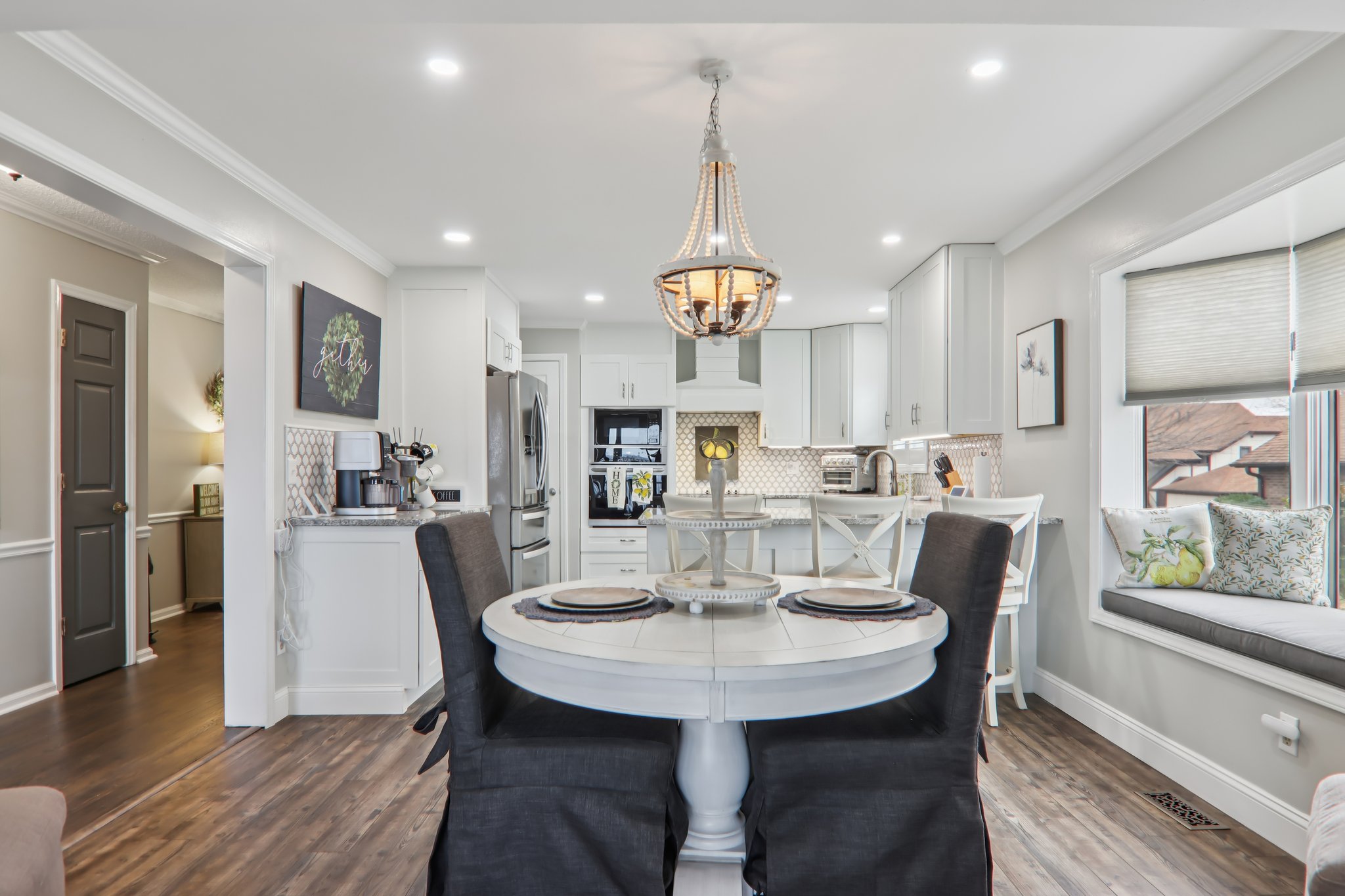
See this downtown condo for sale -  full listing for unit A at 475 S. Church St

Posted in Hendersonville NC
Aug. 25, 2026

Is 1601 Fleetwood Plaza the Best Condo for Me

Is 1601 Fleetwood Plaza the best condo for me in Fleetwood Plaza in Laurel Park, NC?


Fleetwood Plaza sits in Laurel Park, part of the Hendersonville, NC 28739 area. 1601 Fleetwood Plaza is currently listed among its condos on the market.

If you’re weighing your real estate options in this neighborhood, you probably want to know how this unit stacks up against the rest.

1601 Fleetwood Plaza offers 2,280 square feet, 2 bedrooms, 3 bathrooms, a bonus room, and a dedicated office, along with long-range western mountain views from the screened porch, family room, and primary bedroom.

It’s tucked near the Jump Off Rock overlook, which is a nice perk if you’re into scenic spots and want them close by.

Property Fit: Space, Features, and Lifestyle

Here, you get 2,280 square feet split between 2 bedrooms, 3 full bathrooms, a bonus room, and a dedicated office. The mountain views, screened porch, and family room fireplace really set the tone for daily life at this address.

Layout, Bedrooms, and Three Full Bathrooms

The floor plan is built around 2 bedrooms, a bonus room, and a separate office. That gives you a bit more flexibility than a standard two-bedroom setup.

You could turn the bonus room into a guest spot, a hobby nook, or just stash your stuff—totally up to you.

Three full bathrooms is kind of a luxury in a condo this size. No need to share a bathroom with guests, and the primary bedroom most likely has its own bath attached.

With 2,280 square feet, you’re getting more breathing room than a lot of condos with similar bedroom counts. That extra space can really change how you use and furnish each area.

Views, Outdoor Living, and the Family Room

You’ve got long-range western mountain views from the screened-in porch, family room, and primary bedroom. So, it’s not just one room with a view—you get that backdrop in several places.

The screened porch is a solid spot for outdoor time without the bugs or the worst of the weather. You can actually hang out there for hours if you want.

Jump Off Rock is just about a quarter mile away. If you love a good overlook, that’s a pretty sweet convenience.

Updates, Fireplace, and Everyday Functionality

The condo’s been updated, but the listing doesn’t get into the nitty-gritty—like whether it’s the kitchen, baths, or flooring. You’ll want to ask the listing agent for specifics if updates are a big deal for you.

The family room has a fireplace, which is both cozy and practical when the mountain weather turns chilly. That’s not something every condo can offer, especially in this area.

There’s a dedicated office, which is great if you work from home or just need a quiet corner. With the bonus room, you’ve got more flexibility than you might expect from a two-bedroom condo.

HOA, Amenities, Parking, and Pet Considerations

Details about the HOA fees, amenities, parking, and pet policies aren’t spelled out in the listing. You’ll have to reach out to the agent or Fleetwood Plaza HOA for the full rundown.

Most condos in Laurel Park have some sort of HOA covering exterior stuff or shared spaces. Make sure you get the monthly costs, what’s included, and any rules about renovations or pets before you get too attached.

Value, Location, and Buyer Due Diligence

Looking at the asking price compared to other units, double-checking the municipal boundaries, and verifying the listing details should help you figure out if this condo is a match for your needs and budget.

Price Positioning and Comparable Fleetwood Plaza Condos

1601 Fleetwood Plaza is listed at $550,000, which comes out to about $241 per square foot based on the 2,280 square feet. It’s smart to compare that with other recent sales in Fleetwood Plaza to see if the price makes sense right now.

Some sources list the square footage as 2,247 instead of 2,280. That’s a small but important detail to confirm with your agent, since it affects your price-per-square-foot math.

You’ll also want to keep the $700 monthly HOA fee in mind when calculating your total cost. That fee covers shared amenities and maintenance, so it’s worth weighing against what other condos in the area charge.

Laurel Park Location and Hendersonville Access

This property pops up under two municipal labels: Hendersonville, NC 28739 and Laurel Park, NC 28739. It’s the same spot either way, but Laurel Park is technically its own town next to Hendersonville, so double-check which one applies for taxes and zoning.

You’re about a quarter mile from Jump Off Rock, which is a favorite for mountain views. If being near nature is a priority, this location could be a real plus.

Living here puts you close enough to Hendersonville’s downtown for shopping or a bite to eat, but you still get that quiet, residential vibe. Think about your commute and how far you’re willing to go for essentials or entertainment.

Listing Status and Information to Verify Before an Offer

This property sits under MLS# 4352883 through Canopy MLS. If you're working with an agent, it makes sense to ask for this number so you get the freshest, most accurate listing sheet.

The listing is attributed to Frisbee Real Estate LLC. It's probably smart to confirm the listing agent’s contact info early on—just saves you time and hassle later.

Before tossing in an offer, there are a few details you really ought to double-check with the agent or by digging into the MLS record:

  • Exact square footage — sources bounce between 2,247 and 2,280 square feet
  • Year built — some listings say 1984, others 1987 (why the gap? Good question)
  • Days on market — one place claims 168 days, which could shape your negotiation strategy
  • HOA fee structure — find out what the $700 monthly fee actually covers, and whether any special assessments are looming


It's worth cross-checking these numbers with the seller’s disclosure and a licensed inspector. A little extra homework now might save you a headache later.


See the full listing for 1601 Fleetwood Plaza


Aug. 24, 2026

Is Now Actually a Good Time to Buy in Western North Carolina?

Is Now Actually a Good Time to Buy in Western North Carolina?

For years, buying a home in Henderson, Buncombe, Transylvania, or Polk County meant competing with multiple offers and paying above asking price. That pressure has eased.

If you're asking whether now is a good time to buy in Western North Carolina, the answer for most buyers is yes, conditions have shifted in your favor compared to the peak market years. Inventory across greater Asheville and surrounding counties has grown, homes are sitting on the market longer, and you have more room to negotiate on price and terms than you did a few years ago.

This doesn't mean every deal is a good deal or that timing doesn't matter. Buncombe County, Henderson County, and Transylvania County each have their own pace of inventory growth, pricing trends, and buyer leverage. Below, you'll find what's actually happening in each market so you can decide if now is the right time for your specific situation.

The 2026 Buying Window: More Choice, Less Pressure

Homes across Henderson, Buncombe, Transylvania, and Polk counties are staying on the market longer, and sellers are adjusting their expectations accordingly. This shift gives you more room to negotiate than you would have had just a few years ago.

Why Conditions Have Shifted From the Recent Seller's Market

For several years, this region operated as a strong seller's market. Homes sold within days, often above asking price, and bidding wars were common.

That dynamic has changed. In Buncombe County, days on market have climbed over 40% compared to recent norms, even as closed sales continue to rise.

Housing inventory has also grown faster than sales in counties like Burke and McDowell, giving you more negotiating leverage. Supply and demand are recalibrating: more homes are sitting on the market, and sellers can no longer assume multiple offers within 24 hours.

This doesn't mean prices are falling sharply. It means the extreme urgency that defined the market has eased.

What a Balanced Market Means for Today's Buyers

You're now operating in something closer to a balanced market rather than a seller-dominated one. This means you can request inspections, negotiate repairs, and make offers with contingencies without immediately losing the property to a competing bid.

Here's what this shift typically allows you to do:

  • Negotiate on price, particularly in counties like Burke and McDowell where inventory is outpacing sales
  • Take time to compare options instead of rushing a decision within hours
  • Request seller concessions, such as covering closing costs or rate buydowns
  • Avoid most bidding wars, which were routine in the recent past

A balanced market doesn't guarantee low prices. It gives you more control over the process and reduces the pressure to overbid just to compete.

County-by-County Market Conditions

Conditions vary across the region, so your decisions should be shaped by the specific county you're targeting rather than regional averages. Buncombe, Henderson, Transylvania, and Polk counties each show distinct patterns in pricing, inventory, and days on market.

Buncombe County and Asheville: Resilient Demand With More Options

If you're looking in Buncombe County or greater Asheville, you'll find more inventory than you did a year or two ago. Home sales in Buncombe County dipped slightly year-over-year, though the City of Asheville itself saw a modest increase in sales activity.

Median home prices have softened slightly. Buncombe County's median sits at $446,000, down from $450,000, while Asheville's median dropped from $506,000 to $493,000.

You'll also notice homes staying on the market longer. Days on market in Asheville rose from 66 to 106 days, giving you more time to evaluate options before committing.

Henderson County: Steadier Prices and Growing Selection

Henderson County offers you a comparatively stable pricing environment. Price movement here has been less pronounced than in Buncombe County, making it a reasonable option if consistency matters to your budget.

Inventory has grown across most price segments, giving you more properties to compare. This shift benefits you if you've been priced out of tighter markets in past years.

You should expect a somewhat slower pace than in previous cycles, though well-maintained homes at reasonable price points still attract solid interest. Hendersonville and surrounding areas remain popular for buyers seeking proximity to Asheville without matching its price tags.

Transylvania County: Lifestyle Demand and Longer Selling Timelines

Transylvania County's appeal rests heavily on tourism and outdoor recreation, which continues to draw buyers despite broader market cooling elsewhere. You'll find this demand has kept the county comparatively resilient.

That said, homes here are taking longer to sell than they did a year ago, matching a trend seen across Western North Carolina. If you're selling, this means pricing accuracy matters more than it used to.

For you as a buyer, longer timelines translate into more negotiating room. You can afford to be selective, particularly if you're searching in Brevard or nearby communities where lifestyle-driven demand meets a growing inventory pool.

Polk County: Local Inventory and Price-Point Considerations

Polk County doesn't generate the same volume of market data as its larger neighbors, so you'll need to rely more on local listings and agent insight when evaluating conditions. Inventory tends to be limited compared to Buncombe or Henderson counties.

Price points in Polk County can vary widely depending on the specific area and property type. You should pay close attention to how comparable homes in your target neighborhood have priced and sold recently.

Given the smaller sample size, working with someone familiar with Polk County specifically will give you a clearer picture than regional trends alone.

The Metrics That Matter Before Making an Offer

Before you write an offer, you need to look past the asking price and check inventory levels, days on market, and the balance between new listings, pending sales, and closed sales. These figures tell you whether you have leverage or whether you need to move quickly.

Inventory and Months of Supply

You should start by checking how many months of supply exist in the county you're targeting. Canopy MLS data from October 2025 showed months of supply ranging from 5.1 in Henderson County to 8.3 in Polk County and 6.8 in Transylvania County.

Anything above six months typically signals a market that favors you as a buyer.

Housing inventory across the region has rebuilt substantially since Hurricane Helene disrupted sales in 2024. Buncombe County inventory rose 73.7 percent year-over-year to nearly 1,700 homes, while Henderson County inventory increased 36.5 percent to 816 homes.

More inventory gives you more room to negotiate on price, repairs, and closing timelines.

Days on Market and Pricing Signals

You need to track days on market (DOM) alongside the percentage of original list price sellers actually receive. In October 2025, DOM climbed across nearly every county, with Henderson County jumping to 77 days from 48 the year before, and Transylvania County rising to 77 days from 59.

Longer DOM usually means sellers are more willing to negotiate.

Pair that with list-price-received percentages: Buncombe sellers received 92.7 percent of original list price, while Transylvania sellers received 88.4 percent. If a home has sat for 60+ days and the seller is receiving under 90 percent of asking, you have room to negotiate below list.

New Listings, Pending Sales, and Closed Sales

You should compare new listings, pending sales, and closed sales to gauge how competitive a market really is. When pending sales grow faster than new listings, buyers are absorbing inventory quickly; when new listings outpace pending sales, supply is building.

In October 2025, Henderson County saw new listings rise 52.1 percent while pending sales rose 68.6 percent, a sign of steady demand. Polk County pending sales doubled while new listings rose only 53.6 percent, suggesting tighter competition.

Closed sales confirm what actually happened, not just what's listed or under contract. Checking all three figures together gives you a clearer read than any single number alone.

Affordability: Prices, Mortgage Rates, and Monthly Payments

Your purchasing power in Henderson, Buncombe, Transylvania, and Polk counties depends on three moving parts: list price, mortgage rate, and the terms a seller is willing to negotiate. Understanding how these factors interact will show you where your money actually stretches furthest.

Why Negotiated Terms Can Matter More Than a Modest Price Drop

A $10,000 price reduction sounds appealing, but it may not lower your monthly payment as much as a rate buydown or seller-paid closing costs would.

If a seller agrees to pay points to reduce your mortgage rate by half a percentage point, your monthly savings over the life of the loan can exceed what a small price cut would deliver. You should ask your agent to calculate both scenarios before assuming a discounted price is the better deal.

In markets with rising price reductions, sellers often have more room to negotiate on terms than on the sale price itself. Requesting closing cost credits, home warranties, or repair concessions can reduce your upfront cash needs without changing the purchase price on paper.

How Interest Rates Change Buying Power

Your mortgage rate directly determines how much home you can afford at a given monthly payment. A one-percentage-point increase in interest rates can reduce your buying power by roughly 10%, meaning the same payment buys a smaller or less updated home.

Rates have eased from their recent peaks, which has restored some purchasing power for buyers in this region. You should get pre-approved and lock a rate once you're under contract, since even small fluctuations affect your monthly obligation.

Compare fixed-rate and adjustable-rate options based on how long you plan to stay in the home:

  • Fixed-rate mortgage: Predictable payment, better for long-term ownership
  • Adjustable-rate mortgage: Lower initial rate, riskier if you stay past the fixed period

Comparing the Median Home Price Across Local Markets

Median home sale prices vary meaningfully across these four counties, and that gap affects what your budget can realistically achieve.

County Relative Price Level What It Means for You
Buncombe Highest Smaller inventory at entry-level budgets
Henderson High-Mid Competitive for move-up buyers
Polk Mid More room for larger lots or acreage
Transylvania Mid-Low Better value per square foot

You should compare median home price data by county rather than relying on regional averages, since Asheville's market in Buncombe County skews figures higher than what you'll find in Polk or Transylvania. Your down payment and target payment will go further outside Buncombe's core areas.

How Buyers Can Use Today’s Market to Their Advantage

Rising inventory and longer days on market (DOM) give you more room to negotiate than buyers had during the bidding wars of 2021-2022. You can use these conditions to secure better terms, avoid overpaying, and choose properties with stronger long-term value.

Build Negotiation Terms Around Inspections, Repairs, and Closing Costs

In Henderson, Buncombe, Transylvania, and Polk counties, homes are sitting on the market longer than they did a few years ago. This shift gives you leverage to negotiate terms that were harder to secure when supply and demand favored sellers.

You can request inspection contingencies without worrying that a seller will move to the next offer. Sellers are also more likely to cover repair costs or contribute toward closing costs when a property has been listed for several weeks.

Ask your agent to check DOM before submitting an offer. A home listed for 60-90 days often signals a seller who is more open to concessions than one still in the first two weeks on the market.

Know When a Well-Priced Home Still Requires a Fast Offer

Not every property in today's market allows for slow decision-making. Homes priced accurately for their condition and location, particularly in Brevard, Hendersonville, and parts of Buncombe County, can still attract multiple offers.

A price reduction on an overpriced listing doesn't always mean the home is now underpriced. It may simply reflect a correction to match current buyer expectations.

Watch for these signals that indicate you need to move quickly:

  • Listing price falls at or below recent comparable sales
  • Property is in a desirable school district or near recreation areas
  • Home has updated systems (roof, HVAC, plumbing) reducing buyer risk
  • Seller has already accepted one offer that fell through

If a home checks these boxes, waiting a week to "see if it sits" could mean losing it to another buyer.

Evaluate Homes and Locations for Long-Term Value

A buyer's market gives you time to compare properties instead of settling for the first available option. Use that time to evaluate factors that affect resale value and rental income potential, not just current price.

Proximity to Pisgah National Forest, DuPont State Recreational Forest, or downtown Asheville and Brevard tends to support stronger long-term demand. Properties near these areas typically hold value better than homes in less accessible locations, even during market slowdowns.

Consider these factors when comparing homes:

Factor Why It Matters
Distance to trailheads/rivers Supports vacation rental demand
School district Affects resale to families
Lot size and privacy Common buyer priority in mountain markets
Age of major systems Reduces future repair costs

Taking extra time now to evaluate these details can prevent costly mistakes later, particularly if you're buying with rental income or resale in mind.

When Waiting May Make Sense—and When It May Not

The right decision depends less on national headlines and more on your budget, your timeline, and the specific county where you're shopping. Buncombe, Henderson, Transylvania, and Polk counties don't move in lockstep, so what applies to one may not apply to another.

Buy Now If the Home and Payment Fit Your Plan

If you find a home that fits your budget and your mortgage payment is manageable at today's interest rates, buying now can make sense. Trying to time the market rarely pays off, especially when inventory in your target price range is limited.

Ask yourself these questions:

  • Can you afford the payment even if rates don't drop?
  • Does the home meet your needs for the next 5+ years?
  • Are you competing in a seller's market for this specific property type?

Refinancing later is an option if rates fall. Waiting for a lower rate on a home you can already afford means risking competition from other buyers once conditions shift.

Wait If Financial Readiness or Local Fit Is Unclear

If your credit score, savings, or debt-to-income ratio need work, waiting is often the smarter move. A rushed purchase with weak financial footing can cost more than a delayed one.

Local fit matters too. Some pockets of Transylvania and Polk counties still see limited inventory for certain home types, which can push prices higher than in more balanced markets like parts of Buncombe or Henderson.

Consider waiting if:

  • Your debt-to-income ratio is above lender thresholds.
  • You haven't saved enough for a down payment plus reserves.
  • The specific neighborhood or school district you want has few active listings.

Clarify these factors before committing to a purchase timeline.

Use Hyperlocal Data Before Deciding

Regional averages can mask what's happening street by street. Canopy MLS data broken down by county and zip code shows whether you're in a balanced market, a seller's market, or something in between.

Compare months of supply, median days on market, and list-to-sale price ratios for your specific area of interest. A 5-month supply countywide doesn't mean every neighborhood within Henderson or Buncombe reflects that same balance.


Work with an agent who pulls current Canopy MLS figures for the exact submarket you're considering, not just county-level summaries. This gives you a clearer picture of whether waiting could improve your position or simply delay a decision you're already prepared to make.

Aug. 21, 2026

Is 1414 Kanuga Rd in Hendersonville, NC Right for Your Family?

Is 1414 Kanuga Rd in Hendersonville, NC Right for Your Family?

So, there's this house on 3.30 acres in Hendersonville, NC that might catch your eye. 1414 Kanuga Rd is listed at $624,987 with Frisbee Real Estate LLC, and Ed Frisbee is the one handling all those tricky details buyers are always curious about.

You're checking out a single-family home with 3 bedrooms and 3 bathrooms. It's just minutes from downtown Hendersonville in the 28739 zip code.

The main level has an office and vaulted ceilings in the living room, which honestly matters if you work from home or just want to stretch out a bit. Whether 1414 Kanuga Road is a fit for your family probably comes down to how you feel about its rural vibe, the layout, and, of course, if the price makes sense for you.

The property's been sold before, and the current price reflects both updates and the ever-changing Hendersonville market. Before you even think about committing, it's smart to see how this home stacks up against others nearby and what its acreage and floor plan might mean for your daily routine.

Home Layout, Space, and Everyday Fit

The place gives you 2,886 square feet to work with. The main level is set up for easy daily living, and there's a lower level that could work for extended family or guests.

Bedrooms, bathrooms, and shared spaces are arranged to give you flexibility without feeling cramped. It’s not a mansion, but it’s not tight quarters either.

Main-Level Bedrooms, Office, and Bathrooms

On the main level, you get about 1,502 square feet. That's 2 bedrooms, an office, and 2 full baths.

This setup is pretty ideal if you want a dedicated workspace or just don't want to deal with stairs for the main bedrooms and baths. The office is its own area, so you can actually close a door and focus—or at least try to.

With 2 full baths on this level, nobody has to fight over the shower in the morning. If you want single-level living for part of your crew, this layout makes it doable.

Kitchen, Dining, and Living Room Features

The living room is all about vaulted ceilings, a gas fireplace, and big windows that let in a ton of light. It’s a good spot for winding down or hanging out with friends.

The kitchen is described as spacious and full, which is always better than bumping elbows while cooking. You get a separate dining room and a breakfast area, so you can switch things up between casual and more formal meals.

Here's a quick breakdown of the main living spaces:

Feature Detail
Living room Vaulted ceilings, gas fireplace, large windows
Kitchen Spacious, full kitchen layout
Dining Separate dining room plus breakfast area

Lower-Level Living Quarters and Access Considerations

There's a whole second living area downstairs, which is handy for guests or if you’ve got family who want their own space. A wood-burning fireplace down there adds a cozy touch, different from the gas setup upstairs.

If you're thinking about multi-generational living or maybe renting out a portion, this lower level could work. Access between the two levels is something you'll want to check out in person, though.

The main and lower levels are kind of independent, so confirm how you get in and out, where the stairs are, and if there’s a separate entrance downstairs. That could make a difference in how you use the space.

Garage, Storage, and Outbuilding Utility

There's an oversized 2-car garage, which means more room for your vehicles, tools, or whatever else you collect. It's bigger than the typical 2-car setup, so you actually have space to move around.

The 3.30-acre lot also has multiple outbuildings. Maybe you need a workshop, extra storage, or a place for your hobbies—these are already there.

There's a 3-bedroom septic system, too, something to keep in mind if you plan on having guests or adding more people down the line. Between the garage, outbuildings, and septic, you've got a lot of the practical stuff covered for everyday living and maybe some future projects.

Land, Location, and Due-Diligence Priorities

Before you get too attached to 1414 Kanuga Road, it's smart to check out the lot details, flood exposure, and the systems that make daily life work here. These things really shape whether the place will fit your family's needs and your long-term budget.

The 3.30-Acre Setting Near Downtown Hendersonville

The property sits on 3.30 acres along Kanuga Road, just a short drive from downtown Hendersonville. That means you get space for outdoor activities, gardening, or even adding something new, but you’re still close to shops, restaurants, and schools.

Honestly, you should walk the whole lot before making any decisions. What looks like a lot of acreage on paper sometimes isn’t as usable once you see the slopes, trees, or property lines up close.

Ask your agent for a current survey. It’ll help you understand exactly where the boundaries are and which parts of the land you can actually use or build on.

Mud Creek and Flood-Zone Review

If you’re anywhere near waterways in Henderson County, like Mud Creek, you really need to do a flood-zone check before moving forward. You can get a flood determination report or just check FEMA’s flood map with the property address.

This matters for a couple reasons. First, you might have to buy flood insurance, which isn’t cheap. Second, you want to know if any part of the land gets soggy or flooded during heavy rain.

Ask the listing agent if the seller has any flood history documentation. If there’s been flooding before, that should come up in your evaluation—nobody likes surprises.

Questions to Resolve Before Making an Offer

There are a few things you’ll want answers to before making an offer on 1414 Kanuga Road:

  • Septic system age and capacity – When was it last checked, and is it sized for the current bedrooms?
  • Well or water source – Is it a private well or does it tap into the city’s water?
  • Recent repairs – Any records for the roof, HVAC, or foundation?
  • Zoning restrictions – Are there limits on adding more structures or how you use the land?

Getting these answers in writing is just good sense. Your agent can help track down the documentation from the seller’s side, so you’re not left guessing after closing.

Open House and Next Steps

An open house for 1414 Kanuga Road is set for Sunday, August 23, 2026, from 1:00 PM to 3:00 PM.

It's a good opportunity to actually walk the property, chat with folks in person, and just get a sense of the layout and land for yourself.

Bring along a list of any specific concerns—maybe questions about the septic system, or the flood history if that's on your mind.

Take some photos or jot down notes on anything that seems worth a follow-up.

If you can't make it, you might want to have your agent schedule a private showing instead.


With the property being so new to the market, waiting around could mean missing out before an offer gets accepted.

Ready to read more about the home? 

Aug. 21, 2026

Why 1157 S. Main St Is Right for Me in Waynesville, NC

1157 S. Main St Waynesville, NC

Why 1157 S. Main St Is Right for Me in Waynesville, NC

A 1936 home at 1157 S. Main St in Waynesville, NC 28786 catches your attention for good reason.

This property offers 2 bedrooms, 2 full baths, and 1,333 heated square feet, along with a finished attic and mountain views that make it a practical option if you value character combined with space to grow.

You get exterior stair access, a two-level storage area, and a location close to downtown Waynesville and Hazelwood. That's convenience without giving up privacy, which is harder to find than you'd think.

Listed by Frisbee Real Estate LLC, this home presents a mix of classic Waynesville architecture and value-add potential.

Home Features That Support Everyday Living

The main level gives you a practical two-bedroom, two-bath layout, a working kitchen, and a finished attic for extra storage.

Below the house, a basement with a sump pump handles moisture control and adds space for tools and equipment.

Two-Bedroom, Two-Bath Layout

You get 1,333 heated square feet on a single level, with 2 bedrooms and 2 full baths under one roof.

This layout keeps daily movement simple since you won't need to manage stairs between bedrooms and living space.

The primary bedroom is on the main level, which means no wandering through other rooms just to get to bed.

For anyone who wants single-floor living, this setup makes life a little easier, especially in an older home.

Both bathrooms are full baths, so you're not stuck sharing a single facility during busy mornings.

This matters if you're hosting guests or living with another adult—no awkward waiting in the hallway.

Kitchen Appliances and Main-Level Laundry

Your kitchen comes equipped with a dishwasher, electric cooktop, electric oven, and refrigerator.

These appliances cover the basics for daily cooking and cleanup, so you won't be rushing to replace anything on move-in day.

Laundry is located on the main level, inside a bathroom.

You won't need to carry loads up or down stairs, which saves time and effort on a regular basis.

Here's what the main-level setup gives you:

  • Cooking: Electric cooktop and oven for daily meal prep
  • Cleanup: Dishwasher to reduce manual dishwashing time
  • Food storage: Refrigerator included with the home
  • Laundry: Main-level access, no basement or upstairs trips required

Finished Attic and Flexible Interior Space

The finished attic adds storage space beyond your 1,333 heated square feet.

You can use this area for seasonal items, holiday decorations, or belongings you don't need in daily rotation.

Attic stairs are fixed, meaning you get permanent access rather than a pull-down ladder.

This makes trips up and down more stable, especially if you're carrying boxes or bins.

A wood stove in the family room gives you a secondary heat source.

If you're looking to supplement your primary heating during colder months, this feature adds a layer of practical flexibility.

Basement Storage and Water Management

Your basement includes a dirt floor, storage space, and a sump pump.

The sump pump actively manages water intrusion, which protects the space from moisture buildup over time.

This basement area functions as additional storage rather than finished living space.

You can use it for tools, equipment, or items that don't need climate-controlled conditions.

The combination of storage space and a sump pump means you're getting a basement that's been set up to handle common moisture issues in older homes.

Location, Lot, and Ownership Considerations

Where this house sits matters as much as what's inside it.

The property's location, its half-acre of sloped and wooded land, and its utility setup all factor into whether this fits your lifestyle and budget.

Waynesville Access and Local Convenience

You're close to both downtown Waynesville and Hazelwood, so daily errands, dining, and shopping stay within a short drive.

If you value walkability to small-town amenities without paying downtown prices, this location in the 28786 zip code gives you that middle ground.

Your commute stays manageable no matter which direction you're heading.

You get the character of an older Waynesville neighborhood while still having quick access to the corridors that connect you to the rest of Haywood County.

If you're relocating from a larger city, you'll notice the pace here is slower, but you won't feel cut off from services you rely on.

Mountain Views and Rolling Wooded Land

Your lot spans roughly half an acre with a rolling slope and wooded coverage, giving you privacy without a fully flat, exposed yard.

The elevation change works in your favor here, since it's what creates the mountain views from the property.

You'll access the home by exterior steps that lead up past a two-level storage structure below, so factor that into how you move groceries or furniture inside.

The wooded, sloped terrain also means you won't be mowing a large flat lawn, but you should expect some maintenance around erosion control and tree upkeep.

If porch or deck space matters to you, the existing layout and views suggest solid potential for outdoor living once you're ready to invest in that upgrade.

Utilities, Heating, and Practical Due Diligence

You're connected to public sewer and city water. That alone makes life a bit easier compared to dealing with a well or septic system.

It's honestly a pretty big plus if you're thinking about what it'll cost to keep things running smoothly over the years.

Heating comes from oil, and there's a wood stove too. You'll want to figure out if you're okay budgeting for oil deliveries or if you'd rather just toss another log on the fire when it's freezing out.

The fuel tank's owned outright. That's one less hassle, since you won't be paying a rental fee like you might with propane or leased tanks.

Cooling? It's just window units here. If central air is non-negotiable for you, better start planning that upgrade.


And, before you get too far, double-check the details with the listing agent or broker. Local records mention firms like Frisbee Real Estate LLC handling deals in this area, so it's worth confirming who's involved.


See the listing for 1157 S. Main St in Waynesville now

Aug. 20, 2026

Why the Home at 6 Wagon Trace in Flat Rock, NC is right for my family

6 wagon trace flat rock


Why the Home at 6 Wagon Trace in Flat Rock, NC: Family Fit

Finding the right home is always this messy balance of space, privacy, and location against what your family actually needs day to day. 6 Wagon Trace in Flat Rock, NC 28731 gives you 3,815 square feet, four bedrooms, five bathrooms, and 1.49 private acres tucked at the end of a quiet cul-de-sac—so you get room to grow but don’t have to give up convenience.

It’s just minutes from downtown Hendersonville and historic Flat Rock, so errands and weekend plans don’t have to be a big production. The layout features a finished basement with a walk-out apartment, a main-level family room, and flexible living spaces that can evolve as your family does.

Space, Layout, and Flexible Family Living

With 3,814 square feet, there’s honestly space to spread out and still keep that sense of connection. Three levels mean you can shape each area for whatever your household needs right now—or later.

Main-Level Comfort and Everyday Flow

The main level is set up for real life. Warm wood floors run through the family room, dining area, and kitchen, pulling the open floorplan together so everyone’s close by whether you’re cooking, eating, or just hanging out.

The kitchen’s got what you need: gas cooktop, dishwasher, microwave, refrigerator. It’s ready for both everyday meals and those bigger gatherings. There’s a fireplace anchoring the family room, which is just perfect for those chilly mountain nights.

Off the main living space, there’s a mud room—helpful for keeping all the shoes and bags in check. Laundry’s right there too, so you’re not lugging baskets up and down stairs. That’s a small thing, but it matters.

Upper-Level Bedrooms and Retreat Space

Bedrooms are on the upper level, giving you privacy from the main living areas. The primary suite feels like a proper retreat, with a private bath and enough space to actually relax at the end of the day.

Other bedrooms work for kids, guests, or even a home office if you need it. With 4 bedrooms and 5 bathrooms, there’s room to get creative about how you use each space.

This setup is great if you want to keep sleeping spaces separate from the chaos of daily living. Maybe you need a nursery, a study, or a guest room—it’s flexible.

Finished Lower Level for Guests, Work, or Multigenerational Living

The finished lower level really opens up more possibilities. There’s a heated basement space with 788 square feet, so if you need extra living quarters, it’s ready for it.

This area could work for multigenerational living, hosting guests, or even as a rental. It’s got its own basement garage door and walk-out access, so whoever’s down there can come and go without traipsing through the rest of the house.

There’s a basement shop too—handy for tools, projects, or just a place to tinker. If you ever want to add a second kitchen, there’s space for that down here.

Garage, Workshop, and Practical Storage

You get an oversized 2-car garage, which means there’s actually room for vehicles and all the extra gear—bikes, sports stuff, holiday decorations, you name it. At 578 square feet, it’s bigger than most.

A separate workshop gives you space for projects, repairs, or whatever hobby you’re into. That’s not something you find everywhere.

There’s extra storage throughout the basement and main level, so keeping the house organized doesn’t have to be a losing battle. It’s the kind of thing that makes daily life run smoother, even if it’s not flashy.

Privacy, Outdoor Features, and Flat Rock Convenience

Your 1.49-acre lot means you’ve got space to breathe, and with multiple porches plus a hot tub, your living area stretches right out into the outdoors. You’re close to Hendersonville and Flat Rock’s historic district, so you get privacy without feeling isolated from everything you need.

A Private 1.49-Acre Setting

That 1.49-acre lot sits at the end of a quiet cul-de-sac, so no one’s driving by unless they mean to be there. It’s peaceful.

The rolling slope gives the yard some character and separates different parts of the property. You could have a garden zone, a play area, or just open space—whatever fits your style.

No feeling boxed in by neighbors, which is surprisingly rare this close to town. That kind of privacy is hard to put a price on.

Porches, Hot Tub, and Outdoor Enjoyment

There are three porches: front, rear, and side. Each one offers a different view of the property, so you can pick your favorite spot depending on the time of day or season.

Covered porch areas mean you can still enjoy the outdoors, even if it’s drizzling. And the hot tub? It’s already waiting, perfect for unwinding after a long day or when the mountain air gets crisp.

With the porches and hot tub, you’ve got plenty of ways to enjoy your land without ever leaving home. Not bad, honestly.

Location Considerations for Family Life

Your home sits just minutes from downtown Hendersonville. You're not far from shopping, dining, or those daily errands that always seem to pop up.

Historic Flat Rock is also close by. That means you can check out its shops and cultural spots without planning a whole trip out of town.

This balance really matters for families. You get the quiet of a private, tree-lined setting, but you’re still close to the services and amenities you need.

Your commute to work or school runs stays manageable. Weekend outings don’t turn into all-day events unless you want them to.


Flat Rock, NC offers a small-town vibe with actual proximity to a larger town’s resources. That’s a combo that just makes daily life a little easier, honestly.

See more detailed information about 6 Wagon Trace in Flat Rock

Aug. 19, 2026

Where People Move From to Western North Carolina

Where People Move From to Western North Carolina: Data

Western North Carolina has become one of the most talked-about relocation destinations in the state. Most new residents arrive from Florida, South Carolina, and Virginia, according to recent migration data.

There's also a noticeable uptick in folks coming in from California and New York, which is part of a broader shift in where people are putting down roots. The region's population is definitely being reshaped by these new arrivals.

If you're curious about who's moving in around you, the numbers tell a pretty clear story. Migration flows into western North Carolina show both regional shifts—like people relocating from nearby Southern states—and big moves from the Northeast and West Coast.

The Leading Origins of New Residents

Newcomers to Western North Carolina tend to fall into three categories: folks moving within the state, people coming from the Northeast and Mid-Atlantic, and others making longer treks from places like California and Texas. Each group has its own reasons for picking up and moving—maybe it's affordability, maybe family, or just craving a different climate.

In-State Moves From North Carolina's Major Metro Areas

If you're making the move to Western North Carolina, odds are good you're coming from somewhere else in the state. Charlotte, Raleigh, and the Triad region send a steady stream of people west every year.

Many are looking for lower living costs and a slower pace than what you get in the big cities. Asheville and the surrounding counties have become magnets for this kind of in-state migration.

It's part of a bigger national trend, honestly. More people are ditching dense metro areas for smaller cities and mountain communities. If you're relocating within North Carolina, you're joining a growing crowd who want a lifestyle change more than urban perks.

Interstate Arrivals From the Northeast, Mid-Atlantic, and Florida

If you’re coming from the Northeast or Mid-Atlantic, you’re in good company. New York, New Jersey, Pennsylvania, and Virginia have been sending people to North Carolina for years, and Western North Carolina gets its fair share.

Florida’s another big source, especially for retirees tired of the heat or the coastal crowds. Maybe you’re drawn by the region’s milder climate, established retirement communities, or the promise of lower property taxes than back home.

These migration flows have ramped up over the last decade. North Carolina’s net migration numbers from these states keep climbing, so if you’re relocating, you’re part of a noticeable wave of people making similar choices.

Longer-Distance Moves From California, Texas, and Other States

Folks coming from California or Texas are making a bigger leap than most. California, especially, has seen a big jump in people heading for North Carolina, probably thanks to cost-of-living differences and the rise of remote work.

Texas sends fewer people, but the numbers are ticking up. Most arrivals from these states seem to settle in Asheville or nearby towns, likely drawn by the slower pace and the scenery that just doesn’t compare to what you get in the big cities out west.

Why Western North Carolina Attracts Movers

So what’s pulling people here? There’s a lot to it—everything from the mountain views to economic opportunities. The lifestyle here really appeals to certain generations and career paths, and honestly, each factor just makes the others more attractive.

Mountain Amenities, Climate, and Lifestyle

You get four real seasons in Western North Carolina, which is kind of rare for the Southeast. Summers are cooler than the Piedmont or coast, thanks to the elevation, and winters are usually more mild than harsh.

Asheville is the region’s hub for arts, food, and just about everything else. You can hit hiking trails, waterfalls, or the Blue Ridge Parkway in just a few minutes from most neighborhoods.

That mix of climate and amenities means a lot if you’re weighing quality of life against practical stuff like housing costs. The outdoors isn’t just for weekends—it’s part of daily life here. That’s a big deal for some folks.

Retirement Relocation and the Baby Boom Generation

If you’re in the baby boom generation, Western North Carolina is probably on your radar for retirement. Boomers make up a big chunk of new arrivals in places like Henderson and Buncombe counties, pulled in by lower living costs than spots like Florida or the coast.

Retirees usually mention healthcare, the climate, and a slower pace as top reasons for moving. Being close to grandkids in Charlotte or other cities doesn’t hurt, either.

Your retirement dollars generally go further here than in a lot of other mountain or coastal areas. That affordability keeps drawing in more boomers every year.

Jobs, Remote Work, and Access to Regional Cities

Remote work has really changed the game. If your job isn’t tied to a physical office, Western North Carolina lets you live in the mountains while staying connected to places like Charlotte or Nashville for work.

Remote and hybrid work are still pretty common, according to the Bureau of Labor Statistics, and that’s helping fuel this relocation trend. You can get to regional cities for meetings or travel, but you’re not stuck commuting every day.

Healthcare, education, and tourism jobs are growing locally, too. So if remote work isn’t your thing, there are still options. The mix of remote flexibility and local jobs means more people can realistically make the move.

How Asheville and Surrounding Communities Differ

Asheville draws a different crowd than the smaller towns nearby, and each area has its own way of handling growth and the curveballs thrown by 2024’s Hurricane Helene. Where you land in the region really shapes everything: housing, neighbors, even the day-to-day stuff like roads and utilities.

Asheville’s Mix of In-State and Out-of-State Arrivals

If you move to Asheville, expect to meet plenty of North Carolina transplants and out-of-state folks. Some come from Charlotte or Raleigh looking for a slower pace, while others are making the leap from Florida, the Northeast, or California.

Population estimates show Asheville's growth has been steady for a decade, with remote workers and retirees leading the way. The city’s culture is a blend of Southern roots and outside influences—you’ll notice it right away.

This mix of people has an impact on home prices, too. Asheville’s housing market reflects demand from buyers who often bring bigger budgets than the local average.

Growth in Mountain, Lake, and Rural Counties

Outside Asheville, growth is happening in mountain, lake, and rural counties. Places near Lake Lure, Lake James, and the Toxaway area are big draws for people after waterfront or vacation homes.

Rural counties like Madison and Yancey grow a bit slower, but they appeal if you want space, privacy, or maybe a connection to farming and outdoor life. Home prices here usually stay lower than Asheville’s, which is nice if you’re on a budget.

Unlike Asheville’s urban vibe, these spots attract people with specific lifestyle goals:

  • Lake living: Boating, fishing, and waterfront access
  • Mountain acreage: Space, privacy, and long-term land investment
  • Small-town rural life: Lower cost of living and agricultural ties

Housing and Infrastructure Constraints After Hurricane Helene

Hurricane Helene really shook up housing and infrastructure across the region. If you’re thinking about moving here, be ready for limited inventory in some mountain communities—roads, bridges, and utilities took a hit.

Recovery times are all over the map, depending on the county. It’s smart to check the latest before you settle on a spot. Areas near rivers or steep hills have had longer waits for repairs.

Asheville itself dealt with some serious flooding, especially in the River Arts District and Biltmore Village. When you’re looking at neighborhoods, don’t forget to ask about flood history, ongoing repairs, and insurance requirements—it all adds up in terms of cost and convenience.

Western North Carolina in the Regional Migration Landscape

North Carolina is competing with nearby states for the same pool of movers. Western North Carolina sits right in the middle of shifting patterns that include South Carolina, Georgia, Tennessee, and beyond.

Competition With South Carolina, Georgia, and Tennessee

North Carolina’s been losing more people to its southern neighbors—South Carolina, Georgia, and Tennessee—than it’s gaining from them. That’s a trend that’s definitely shaping Western North Carolina’s place in the region.

Tennessee stands out, honestly. With Nashville’s booming economy (music industry jobs, anyone?), it’s pulling in movers who might have considered Western North Carolina otherwise.

Still, North Carolina as a whole is gaining population from migration. The competition with these three states is just one part of a much bigger story about where people are coming from—and where they’re headed next.

How Charlotte-Area Moves Shape Cross-Border Patterns

The Charlotte metro area straddles the North Carolina-South Carolina border. This odd geography tends to skew migration stats in ways that might surprise you.

About 28% of people moving from North Carolina to South Carolina between 2020 and 2021 actually landed in York or Lancaster Counties. Both are South Carolina suburbs of Charlotte, so it's not exactly a long-distance leap.

Nearly half of the net migration difference between the two states from 2011-12 to 2021-22 can be chalked up to moves inside this single metro region. If you set aside those Charlotte-area moves, the net loss to South Carolina shrinks from 6,599 to 3,330.

Comparing Retirement and Employment Destinations

Florida has been sending retirees up to North Carolina for ages, and that pipeline is still open. This trend really shapes who shows up in the western counties.

Virginia’s in the mix too, especially from the Virginia Beach-Chesapeake-Norfolk area. More folks are moving into North Carolina’s northeastern counties from there than heading the other way.

There’s also a steady trickle from Ohio and other states up north and in the Midwest. The pattern’s not so different from what you see with New York, New Jersey, or Pennsylvania—these states have brought in bigger net migration gains for North Carolina than its immediate neighbors.

Tennessee, meanwhile, is pulling in more Californians than North Carolina, mostly thanks to Nashville’s job market and its closer ties to the West Coast.

What the Available Data Can and Cannot Show

No single data source nails down every person moving into Western North Carolina. Each one has its perks and its blind spots, so you really have to know what you’re looking at—and what you’re not.

U.S. Census Bureau Population Estimates

The Census Bureau puts out annual population estimates, combining births, deaths, and net migration to show how a county’s numbers change each year. These estimates are good for seeing the big picture, but they won’t tell you where newcomers are coming from.

For that, you need the American Community Survey (ACS). It tracks where people lived a year ago versus where they live now, and it’s been around since 2005.

The ACS is based on a sample, not a full count. If you’re looking at smaller counties in Western North Carolina, expect bigger error bars—so take those origin numbers with a grain of salt.

IRS Migration Data and State-to-State Flows

IRS migration data is built from address changes on tax returns, comparing where people filed from one year to the next. North Carolina’s Office of State Budget and Management uses this data to study domestic migration, including age and income patterns.

This stuff is pretty handy—it covers almost all working adults who file taxes, and you can break down net migration by age or income.

But there are blind spots. Folks who don’t file taxes—some retirees, low-income households, non-filers—aren’t counted. Plus, since 2011, IRS migration data has gotten a bit jumpy year-to-year, so you probably shouldn’t treat it as gospel.

Moving-Company Data Versus Official Demographic Measures

Moving-company data, like numbers from national van lines or online tracking platforms, gives you another angle. It shows inbound and outbound moves by metro area, and usually updates way faster than government data.

Still, it only covers customers of those companies. If someone moves with a rental truck, their own car, or a local mover, they’re missing from the tally.

Data Source Strength Limitation
Census population estimates Overall population change No origin detail
ACS state-to-state flows Origin state detail Sample-based, wider error at county level
IRS migration data Age/income breakdowns Excludes non-filers, some volatility
Moving-company data Fast, recent trends Reflects only that company's customer base

If you want a decent read on who’s moving into Western North Carolina, you really have to cross-check these sources. Relying on just one? That’s a gamble.

What Migration Means for Future Population Growth

Population change in North Carolina is tilting more and more toward migration as the key factor. Births aren’t driving the numbers like they used to, so watching migration trends is how you figure out which areas are going to keep growing.

Migration's Expanding Role as Natural Increase Slows

Natural increase—the gap between births and deaths—is losing steam as a growth engine in North Carolina. State demographers think we’ll hit natural decrease by 2033, when deaths start outpacing births statewide.

Once that happens, net migration is all that’s left to push the population up. You’re already seeing this across the country: between 2020 and 2025, international migration made up 81% of U.S. population growth.

In North Carolina, domestic migration has been doing most of the heavy lifting for decades. It’s accounted for about two-thirds of the state’s growth over the past thirty years, and recently it’s shot up to 95%. As the population keeps aging, migration’s role will only get bigger.

Where Growth Is Most Likely to Continue

Western North Carolina has the same draws as the rest of the state: job opportunities, lower costs than the coast, and that mountain appeal. Most newcomers aren’t coming from across the country—they’re moving from nearby Southern states.

Metro areas with a mix of jobs and access to mountains or foothills seem to get the steadiest inflow. Asheville and the surrounding counties are a good example. They offer job growth and a lifestyle that appeals to both retirees and folks still working.

South Carolina and North Carolina together have become some of the country’s top growth states. That’s less about any one city and more about affordability and job markets across the board.

Factors That Could Change Future Moving Patterns

There are a bunch of conditions that might end up changing who moves to western North Carolina—and how many actually show up:

  • Housing costs: Home prices are still climbing in the most popular counties. If that keeps up, some folks might start looking at less expensive areas nearby instead.
  • Job market shifts: Say banking, tech, or manufacturing suddenly takes off—well, that could send people in totally different directions than before.
  • Climate and disaster risk: Floods, storms, wildfires—stuff like that happening elsewhere could nudge more people to consider the mountains as a safer bet.
  • Retiree migration: People coming in from Florida or the Northeast? That trend really hinges on retirement habits and cost-of-living comparisons. It’s not set in stone.
  • State-level competition: Tennessee, South Carolina—they’re after the same newcomers. If they get more affordable or jobs open up faster there, North Carolina could lose some steam.


If you’re trying to guess where things are headed, you pretty much have to keep an eye on the housing markets and employment data. Both have a way of steering people’s decisions about where to put down roots next.

Aug. 15, 2026

How to Find a Home in Asheville and Hendersonville, NC

How to Find a Home in Asheville and Hendersonville, NC

Home prices in Asheville and Hendersonville have been climbing steadily. Buyers now face limited inventory and higher listing prices in most zip codes.

If you're searching for a home here, you really need a clear strategy instead of just browsing around. Widening your search radius, working with an agent who knows the neighborhoods, and getting pre-approved are all key steps.

Prices swing a lot by area. Hendersonville's 28792 zip code has a median listing price near $477,000, while 28759 is above $775,000.

Asheville neighborhoods? They show just as much spread—from Beverly Hills under $300,000 to Biltmore Park above $1,000,000. It's a wild range.

You also need to know how quickly homes move in your target area. Days on market can be as low as 34 in some zip codes, but stretch past 90 in others.

This affects how fast you'll need to act when you spot a listing that fits your needs and budget. Blink and you might miss it.

Read Current Prices, Inventory, and Competition First

Before you start touring homes, check the actual numbers for the neighborhoods you're eyeing. Median sale price, days on market, and inventory levels matter more than you might think.

Compare Asheville and Hendersonville Price Ranges

Asheville's median home value is around $458,000. Hendersonville runs lower at roughly $413,000.

Both markets have dipped a bit over the past year. So, don't just assume prices are climbing everywhere at the same pace.

Within Asheville, the citywide median sale price is closer to $493,000—higher than the broader Buncombe County figure of $446,000. That gap is worth noting if you're comparing city listings against suburban or county options.

Keep an eye on price per square foot, too. In some Asheville price ranges, this number's been dropping, which changes what a fair offer looks like.

Interpret Inventory, Days on Market, and Sale-to-List Ratios

Inventory tells you who holds the leverage. A balanced market is about six months of supply; more than that favors buyers, less means sellers call the shots.

Asheville's inventory sits anywhere from 5.9 to 8.9 months depending on who you ask, which is flirting with buyer-friendly territory. Days on market averages about 53 citywide, and Buncombe County just posted its highest second-quarter DOM since 2015.

Watch these signals closely:

Don't count on a slower market to wipe out competition. Well-priced homes, especially under $400,000, can still draw multiple offers.

Separate Market-Wide Data From Neighborhood-Level Conditions

County-level and city-level averages can hide what's happening on a specific street. Buncombe County's median price dropped from $450,000 to $446,000 year-over-year, but that blends dozens of neighborhoods with wildly different trends.

Lower and mid-priced segments in Asheville have stayed under six months of inventory, so they still lean toward sellers. Higher-priced segments are well past that, giving you more negotiating power if you're shopping above $600,000 or $700,000.

Before making an offer, ask your agent for sold data on your exact neighborhood over the last 90 days. Citywide stats won't help if the three-block radius you want is still moving fast.

Set a Purchase Budget That Can Handle Rising Prices

Home prices in Asheville and Hendersonville have shifted enough in the past year that a budget based on last year's numbers just won't cut it. Your budget needs three things: a monthly payment you can actually sustain, a cash reserve for costs beyond the purchase price, and a firm ceiling that leaves room to negotiate.

Establish a Comfortable Monthly Payment Limit

Start with your monthly income—not just the listing price. Lenders often approve buyers for more than is healthy.

One safer approach? Keep your total housing payment (that includes principal, interest, taxes, and insurance) under 28% of your gross monthly income. That gives you a cushion if property taxes or insurance go up, which happens more than you'd think in western North Carolina.

Factor in these variables before you settle on a number:

  • Current mortgage rate and whether it's fixed or adjustable
  • Property tax rate for the specific county (Buncombe or Henderson)
  • HOA fees, if applicable
  • Homeowner's insurance, which can vary based on flood or fire risk zones

Get pre-qualified early so your limit is based on real numbers, not just rough estimates.

Account for Closing Costs, Repairs, and Moving Expenses

Closing costs here usually run 3-5% of the purchase price. On a home near Asheville's median sale price of $493,000, that's about $14,800 to $24,650 at closing—separate from your down payment.

Set aside extra for:

  • Home inspection and appraisal fees — usually $400-$700 combined
  • Immediate repairs — older homes in Asheville and Hendersonville often need roof, plumbing, or HVAC work
  • Moving costs — local moves average $1,000-$3,000 depending on distance and volume

Annual maintenance costs usually land between 1-4% of the home's value. Budgeting for these up front can save you some headaches later.

Choose a Price Ceiling and Negotiation Reserve

Set your maximum offer price before you start touring homes—not after you've fallen in love with one. This number should reflect your monthly payment limit, not just the highest amount a lender will give you.

Build in a negotiation reserve of 3-5% above your target offer. In Asheville, homes are selling close to list price on average, with a median sale-to-list ratio of 0.978. That means most buyers pay a bit under asking, but competitive listings can still spark bidding wars.

Having reserve funds lets you move quickly without blowing past your true financial limit. Write your ceiling down and treat it as non-negotiable—even if your heart says otherwise.

Choose the Right Area for Your Lifestyle and Commute

Home prices swing a lot by neighborhood and zip code. Your choice of area directly affects your budget and, honestly, your daily routine.

Weigh commute distance, terrain, and access to daily services before narrowing your search. It's not all about the price tag.

Evaluate Asheville Neighborhoods and Nearby Communities

Asheville neighborhoods are all over the map in price, walkability, and terrain. Some areas offer easy access to downtown on foot; others, you'll need a car for everything.

Steep hills shape much of the city, affecting both property values and daily convenience. You'll see older, established neighborhoods with big trees near the urban core, while newer developments are farther out.

Traffic patterns shift by time of day, so a "short" commute can drag during rush hour. Check walkability scores and road conditions for any neighborhood you're considering—they really do change block by block.

Consider Hendersonville, Flat Rock, and Mills River

If you're looking at Hendersonville, you'll see a median listing price of $549,950 as of August 2026. Some zip codes like 28792 start closer to $477,000.

Homes here spend a median of 70 days on market, so you get a bit more time to decide compared to faster-moving spots.

Flat Rock and Mills River offer quieter alternatives with easier access to nature and lower density. They're within reasonable driving distance of Asheville, so you get more space without being too far from the city.

Your commute time to Asheville will depend on your route and time of day, so it's worth testing the drive before you commit.

Balance Downtown Access, Mountain Terrain, and Daily Needs

Your daily needs—grocery stores, schools, healthcare—should guide your neighborhood choice as much as price. Mountain terrain can add time to even short trips, since winding roads and elevation changes slow you down.

If being close to downtown matters, expect to pay a premium for that. Areas farther out usually offer more space and lower prices, but you'll be spending more time in the car for errands and work.

Map out your regular destinations and test drive times at different hours before settling on a location. It's surprising how much those little details matter.

Prepare Financing Before Touring Homes

In Asheville and Hendersonville, homes with median list prices between $400,000 and $562,750 typically go pending in about 36 days. That means you really need financing lined up before you start scheduling tours.

Sellers expect proof you can close—and a solid financial position helps you act fast if there's competition.

Get Fully Preapproved With a Local Lender

A local lender knows Buncombe and Henderson County market conditions, including how properties with acreage, condos, or new construction get appraised. This really matters when you're comparing a compact condo in Asheville to a single-family home in Hendersonville.

Getting fully preapproved (not just prequalified) means a lender has actually verified your income, assets, and credit. That gives you a firm number and shows sellers you're serious.

Ask for a preapproval letter you can attach to offers on the spot. In a market where 18.2% of homes sell over list price, a strong preapproval can make your offer stand out.

Compare Loan Programs and Down-Payment Options

Loan types play a big role in your monthly payment, upfront costs, and whether you’re eligible for certain properties.

Loan Type Typical Down Payment Best For
Conventional 3%-20% Buyers with good credit and steady income
FHA 3.5% First-time buyers or lower credit scores
VA 0% Eligible veterans and active military
USDA 0% Rural properties outside city limits

Western North Carolina has rural pockets near Hendersonville that might qualify for USDA loans.

Before you pick a program, compare interest rates, mortgage insurance, and closing costs—these details can make or break your budget.

Understand How Interest Rates Affect Buying Power

Your interest rate isn’t just a number—it changes how much home you can actually swing each month.

Even a tiny rate bump can shift your payment a lot on a $493,000 median-priced home.

Ask your lender to run the numbers at a few different rates so you see your real price range.

That way, you’re not wasting time looking at places you can’t afford.

Rate locks are a topic worth bringing up, especially since homes here usually sell in about a month.

If you lock early, you’re protected from rate hikes while you’re out there house-hunting and making offers.

Build a Focused Home Search Strategy

A clear search strategy can save you a lot of time (and headaches) in a market where prices in Asheville and Hendersonville are moving and inventory isn’t the same everywhere.

It helps to narrow your criteria, automate your search, and know exactly what to check before you get too attached to a listing.

Prioritize Must-Haves, Nice-to-Haves, and Deal Breakers

Start by splitting your needs into three buckets—must-haves, nice-to-haves, and deal breakers.

It sounds simple, but it’ll keep you from getting distracted by homes that just aren’t going to work for you.

Must-haves could be a certain number of bedrooms, a strict commute limit, or a hard price cap.

Nice-to-haves might mean a mountain view, a finished basement, or a bigger yard.

Deal breakers? Think flood zones, steep driveways (especially if you’re not a winter driver), or HOAs with rules you can’t live with.

Write your list before you start scrolling listings.

With Asheville’s median home price around $493,000 and Hendersonville closer to $374,000, knowing your non-negotiables lets you filter out homes that just don’t fit—no need to fall in love with something out of reach.

Set Alerts for New Listings and Price Changes

Once you know what you want, set up alerts on Zillow, Redfin, or your agent’s MLS portal.

These alerts should cover:

  • New listings in your price range and preferred neighborhoods
  • Price drops on homes you’re already eyeing
  • Status changes—like a home coming back on the market

In Hendersonville, homes are sitting about 74 days on average, so buyers get a bit more breathing room.

Asheville moves a little faster, and with prices down 5.2% year-over-year, price drops can come quick once sellers adjust.

Check your alerts daily—seriously. A same-day showing request can be the difference in a competitive price range.

Assess Property Condition, Utilities, and Mountain-Home Features

Homes in this area often come with quirks—steep lots, wells, septic systems, or older builds are all common around Asheville and Hendersonville.

Before you make an offer, check these things:

Feature What to Verify
Foundation Look for shifting or cracking, especially on slopes
Water source Is it a well or municipal? What’s the flow rate?
Septic system How old is it? When was it last inspected?
Driveway Is it steep? What’s the surface like for winter driving?
Roof How old is it, and how’s it holding up to mountain weather?

Ask for utility bills from the last year so you know what heating costs to expect—mountain elevation can really impact energy use.

And honestly, a local inspector who knows the soil and grading issues here is worth every penny.

Make Competitive Offers Without Overpaying

In Asheville and Hendersonville, rising prices mean you need to back up your offer with data, have a plan for multiple-offer situations, and use contingencies carefully so you don’t overextend yourself.

Use Recent Comparable Sales to Support Your Offer

Before you write an offer, pull up the sold listings in that neighborhood—not just the active ones.

What buyers actually paid matters way more than what sellers are hoping for.

Stick to comps from the last three to six months, especially in Asheville’s faster market.

Try to match them by square footage, lot size, and condition—close is good enough, perfection is rare.

If prices have jumped lately, make sure your comps reflect that.

A local agent can dig up MLS data and spot upgrades or issues that the big listing sites might miss.

Respond to Multiple-Offer Situations Strategically

When there are multiple offers, your price isn’t the only thing sellers care about.

A solid pre-approval letter, a decent earnest money deposit, and a closing date that works for the seller can carry a lot of weight.

Have your agent ask what matters most to the seller—sometimes speed or fewer contingencies matter more than a few extra dollars.

Don’t just raise your offer because others are bidding. If you’re going higher, do it because the comps support it, not just to “win.”

Use Contingencies, Due Diligence, and Escalation Clauses Carefully

Contingencies protect you, but too many can make your offer look weak in a hot market.

Go over your inspection, financing, and appraisal contingencies with your agent and see where you can safely tighten things up.

An escalation clause can help you compete without just throwing money at the problem. It bumps your offer above others, up to your max—handy if you’re worried about overpaying in a bidding war.

But if you’re offering over the comps, watch out for appraisal risk. If the house doesn’t appraise, you might have to pay the difference or renegotiate.

Plan a Confident Move and Long-Term Ownership

Once your offer is accepted, there are still a few steps before you get the keys—and a few more after closing to keep things running smoothly.

Knowing what’s coming helps you dodge delays and surprise expenses.

Coordinate Inspections, Appraisal, and Closing

Book your home inspection ASAP after your offer is accepted.

With all the mountain terrain here, it’s smart to get someone who knows to check foundations, drainage, and grading—slopes are no joke in Asheville and Hendersonville.

The appraisal comes next, usually ordered by your lender.

Since Asheville’s sale-to-list ratio is about 0.978, most homes appraise close to what you’ve negotiated, but it’s smart to have a little cushion just in case.

Your closing usually takes 30 to 45 days from contract to keys.

Have these ready:

  • Proof of homeowners insurance
  • Final loan approval docs
  • Your ID
  • Certified funds for closing costs

Look over your closing disclosure at least three days before you sign anything.

Prepare for Relocating to Western North Carolina

Moving to Hendersonville or Asheville isn’t just about hauling your stuff.

Both towns are up in elevation, so expect cooler temps and the occasional winter weather—definitely more than you’ll see in other parts of North Carolina.

Check commute times before moving day. Asheville’s traffic can get weird in tourist season, especially in the fall.

If you’re heading to Hendersonville for a slower pace, keep in mind some neighborhoods are a bit farther from main highways than in Asheville.

Set up utilities, internet, and mail forwarding at least two weeks early.

And don’t forget: North Carolina requires you to register your vehicle and get a driver’s license within 60 days of moving in.

Review Property Taxes, Insurance, and Ongoing Maintenance

Property tax rates can be all over the place depending on the county, so double-check with the Buncombe or Henderson County tax office before you get too far along. Your annual bill is based on the assessed value, not just whatever you paid for the place.

Homeowners insurance around here often factors in things like wind, hail, and—every now and then—flooding if you're in a lower spot. Shop around and get at least two quotes, especially if you're eyeing an older or historic home. Some insurers get picky about those.

Ongoing maintenance in the mountains includes:

Task Frequency
Gutter cleaning Twice yearly
HVAC servicing Twice yearly
Roof inspection Annually
Foundation/drainage check Annually


Try to set aside 1% to 2% of your home's value every year for repairs and upkeep. It adds up faster than you'd think, but that's just part of the deal with owning a house in this area.

Aug. 11, 2026

July 2026 Western NC Housing Market Update: Asheville vs. Hendersonville, Buncombe vs. Henderson County

July 2026 Western North Carolina Housing Market Update: Buncombe County vs. Henderson County, Asheville, and Hendersonville

The July 2026 housing market in Western North Carolina tells an interesting story. Buncombe County and Asheville continue to command some of the higher home prices in the region, but Henderson County and Hendersonville showed stronger closed-sales growth and tighter inventory.

For buyers and sellers watching the Asheville, Hendersonville, Buncombe County, and Henderson County real estate markets, the latest Canopy MLS data shows a market that is more balanced, more selective, and very local. Some areas are seeing softer prices, some are seeing stronger sales activity, and some are giving buyers a little more room to negotiate.

Let’s compare the July 2026 real estate numbers across these four key Western North Carolina markets.

July 2026 Housing Market Snapshot

Area Median Sales Price Closed Sales New Listings Pending Sales Days on Market Months Supply
Buncombe County $485,000 350 513 320 64 6.1
City of Asheville $480,000 173 304 164 61 6.2
Henderson County $446,500 180 255 175 68 4.8
City of Hendersonville $450,000 112 150 106 69 4.9

Buncombe County Real Estate Market: Higher Prices, More Sales, More Inventory

Buncombe County posted a July 2026 median sales price of $485,000, down 4.9% from $510,000 in July 2025. Even with that price dip, closed sales rose 6.7%, moving from 328 sales last July to 350 this July.

New listings were nearly flat, rising just 0.8% year over year. Pending sales also increased, up 3.6%. That tells us buyers are still active in Buncombe County, but they are not chasing every listing at any price.

Inventory increased 6.8%, with 1,812 homes for sale compared to 1,697 in July 2025. Months supply came in at 6.1 months, down from 6.7 months a year ago.

The biggest thing sellers need to pay attention to is market time. Days on market rose from 49 days to 64 days, a 30.6% increase. Homes are still selling, but pricing, condition, and presentation matter more than they did during the ultra-hot market.

Asheville Real Estate Market: Strong Buyer Interest, Softer Prices

The City of Asheville had a July 2026 median sales price of $480,000, down 6.8% from $515,000 in July 2025. That was the largest median-price decline among the four areas in this comparison.

But Asheville is far from quiet. Pending sales increased 12.3%, and closed sales rose 3.6%. New listings were also up 5.6%, giving buyers more choices than they had last July.

Asheville’s inventory rose 5.6%, reaching 969 homes for sale. Months supply was 6.2, the highest among the four markets covered here.

For Asheville home sellers, this is a clear sign that buyers are still interested, but they are more selective. Overpricing can lead to longer days on market and missed opportunities. For buyers, Asheville may offer more negotiating room than it did a couple of years ago, especially on homes that have been sitting.

Henderson County Real Estate Market: Strong Sales Growth and Tighter Supply

Henderson County had a July 2026 median sales price of $446,500, down 4.0% from $465,000 in July 2025. While prices softened, sales activity was strong.

Closed sales jumped 14.6%, rising from 157 to 180. Pending sales were up slightly at 1.7%, while new listings dropped 4.5%. Inventory also declined 6.1%, with 805 homes for sale compared to 857 a year earlier.

Months supply fell from 5.8 to 4.8 months, a 17.2% drop. That makes Henderson County one of the tighter markets in this comparison.

Even though days on market rose from 60 to 68 days, Henderson County’s lower inventory and strong closed-sales growth suggest that well-priced homes are still finding buyers. For sellers, this is encouraging. For buyers, it means the best homes may still move quickly, especially if they are priced right and show well.

Hendersonville Real Estate Market: Price Growth and Strong Closed Sales

The City of Hendersonville stood out in July 2026 because it was the only market in this comparison with a year-over-year increase in median sales price. Hendersonville’s median sales price rose 3.2%, from $436,225 in July 2025 to $450,000 in July 2026.

Closed sales also jumped 16.7%, the strongest increase of the four areas. Pending sales rose 5.0%, while new listings declined 3.8%.

Inventory fell 3.8%, and months supply dropped from 5.9 months to 4.9 months. That gives Hendersonville a tighter inventory picture than Asheville or Buncombe County.

For Hendersonville sellers, this is one of the stronger reports in the region. Prices were up, closed sales were up, and inventory was down. For buyers, Hendersonville remains attractive, but the market may not offer as much breathing room as Asheville or Buncombe County.

Buncombe County vs. Henderson County: Which Market Is Stronger?

Buncombe County remains the higher-priced county, with a July 2026 median sales price of $485,000 compared to Henderson County’s $446,500.

But Henderson County showed stronger sales momentum. Closed sales were up 14.6% in Henderson County compared to 6.7% in Buncombe County. Henderson County also had a tighter months supply of inventory at 4.8 months, compared to 6.1 months in Buncombe County.

For buyers, Buncombe County may offer more options and a little more negotiation room. Henderson County may feel more competitive for well-priced homes because inventory is tighter.

For sellers, both markets are active, but the strategy is different. Buncombe County sellers need to be especially careful with pricing because buyers have more choices. Henderson County sellers may benefit from lower inventory, but they still need to price realistically because days on market have increased.

Asheville vs. Hendersonville: Two Very Different City Markets

Asheville and Hendersonville are both popular Western North Carolina markets, but the July 2026 data shows two different stories.

Asheville had a higher median sales price at $480,000, but that was down 6.8% from last year. Hendersonville had a median sales price of $450,000, up 3.2% from last year.

Asheville saw stronger pending-sales growth at 12.3%, while Hendersonville posted much stronger closed-sales growth at 16.7%. Asheville also had more inventory, with 6.2 months supply compared to Hendersonville’s 4.9 months.

In plain English, Asheville has more available inventory and more price softness. Hendersonville has tighter supply, stronger closed-sales growth, and better year-over-year price movement.

What This Means for Home Sellers in Western North Carolina

Sellers still have a good market, but it is no longer a market where pricing high and hoping for the best is a smart plan.

In Asheville and Buncombe County, buyers have more choices, and median prices are down compared to July 2025. That does not mean homes are not selling. They are. But the homes that sell are typically the ones that are priced correctly, prepared well, and marketed clearly.

In Henderson County and Hendersonville, the market looks a little tighter. Inventory is down, months supply is lower, and closed sales are up sharply. Sellers in these areas may have an advantage, especially if their home is move-in ready and priced in line with current buyer expectations.

What This Means for Home Buyers in Western North Carolina

Buyers have more leverage than they did during the peak frenzy, but the market is not the same everywhere.

In Asheville and Buncombe County, buyers may find more options and more room to negotiate, especially with homes that have been on the market for a while.

In Henderson County and Hendersonville, buyers should be ready to act when the right property hits the market. Inventory is tighter, and closed sales are rising. Good homes can still move quickly.

No matter where you are buying, the key is knowing the local numbers. A home in Asheville, a home in Fletcher, a home in Hendersonville, and a home in Arden can all behave differently depending on price range, condition, location, and competition.

Bottom Line: July 2026 Western NC Real Estate Is Balanced, But Local

The July 2026 housing market in Western North Carolina is not one-size-fits-all.

Buncombe County and Asheville remain higher-priced markets, but both saw median sales prices decline compared to July 2025. Henderson County and Hendersonville had lower inventory and stronger closed-sales growth, with Hendersonville standing out as the only area in this comparison where the median sales price increased year over year.

For sellers, the right price and presentation are everything. For buyers, opportunity is out there, but the strongest listings still require preparation and quick decision-making.

If you are thinking about buying or selling in Asheville, Hendersonville, Buncombe County, or Henderson County, the best move is to look beyond the headlines and study the numbers for your specific neighborhood, price range, and property type.

Thinking about making a move in Western North Carolina? Frisbee Real Estate can help you understand what these market trends mean for your home, your goals, and your next step.